Introversion & Shyness:
When It's Actually a Trauma Response
What if your personality is actually just protection?
We are often told that some people are just naturally introverted or shy. But for many, withdrawal isn't a personality trait — it's a learned survival strategy.
When the nervous system doesn't feel safe, we retreat. We become quiet, we avoid being seen, and we pull our energy inward just to feel secure.
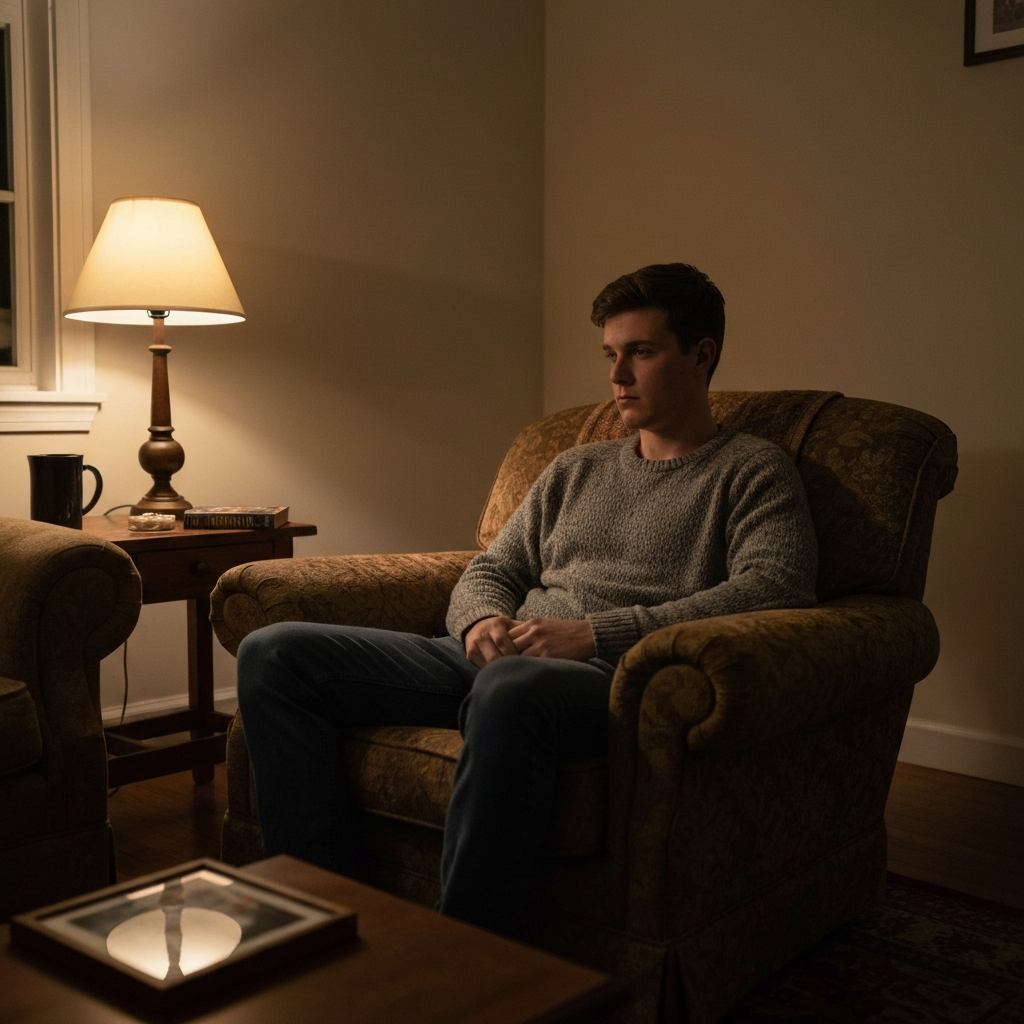
The Introvert Myth
There is a widespread myth that extroverts get their energy from being around others, and introverts get their energy from being alone.
The truth is very different.
You don't lose energy just by being around people. You lose energy because your nervous system is trapped in a subtle fight, flight, or freeze response while you are around them.
When you leave a social situation and go home to be alone, you aren't "recharging" because you're an introvert. You are recovering because you have finally left an unsafe environment and entered a safe one. Your nervous system can finally down-regulate, allowing your energy to return.
Signs Your Introversion is a Trauma Response
Many people describe it as:
- Feeling deeply exhausted after socializing, even with people you like
- Constantly scanning the room or monitoring how others perceive you
- Feeling like you have to 'mask' or perform to be acceptable
- A deep sense of relief when plans are cancelled
- Struggling to speak up or take up space, even when you have something to say
- Feeling like your authentic self is hidden behind a wall
The Missing Piece
Most advice for shyness involves forcing yourself out of your comfort zone, practicing social skills, or just accepting that "this is how you are."
But when introversion is rooted in trauma, forcing yourself to be extroverted only causes more exhaustion.
Until the body feels truly safe, the nervous system will keep pulling you inward for protection.
This is where somatic and energy healing changes everything. By gently releasing the stored fear and hypervigilance from the nervous system, your body learns that it is safe to be seen, safe to connect, and safe to express yourself.
When we finally feel safe in our bodies and in the world, the need to hide falls away. Many people discover that underneath their protective 'introversion' is a deeply authentic, expressive, and connected person waiting to emerge.
Ready to Feel Safe Being Seen?
The first step is gentle, safe, and deeply effective.
Join the Free Break the Cycle Intensive →Free live online session. Multiple dates available.
Frequently Asked Questions
Is introversion always a personality trait?
Not always. For many people, what looks like introversion is actually a learned trauma response. When the nervous system doesn't feel safe around others, it naturally withdraws to protect you. This withdrawal is often labeled as introversion.
Why do I feel so drained around other people?
The exhaustion doesn't come from the social interaction itself, but from the immense amount of energy your nervous system spends staying in a subtle fight, flight, or freeze response while you are around others. You are scanning, masking, and protecting yourself, which is incredibly draining.
Do introverts get their energy from being alone?
This is a common myth. In reality, introverts leave an environment where their nervous system feels unsafe and activated, and return to a safe environment (being alone). Because they finally feel safe, their nervous system can down-regulate, which allows them to "recharge".
Does this mean I am actually an extrovert?
When your nervous system finally feels safe around others, you may find that you are naturally much more outgoing, expressive, and authentic than you ever realized. You might not fit neatly into the "extrovert" box, but you will no longer feel forced into the "introvert" box either.
How does somatic healing help with shyness and introversion?
Somatic healing works directly with the nervous system to release the stored fear and hypervigilance that make social situations feel unsafe. When your body learns that it is safe to be seen and connect with others, the need to withdraw and hide naturally begins to fade.
What happens in the Free Break the Cycle Intensive?
It is a live, guided 60-minute teaching session where we explore why protective patterns like emotional withdrawal stay stuck, why insight alone is often not enough, and what needs to change for deeper healing to occur. You do not have to share your personal story.