
Why Rest Feels So Hard for You (and Why It Doesn’t Last)
You finally slow down, and instead of feeling calm, your mind races, your body feels restless, or guilt kicks in. This article explains why rest can feel uncomfortable and why it often doesn’t last.
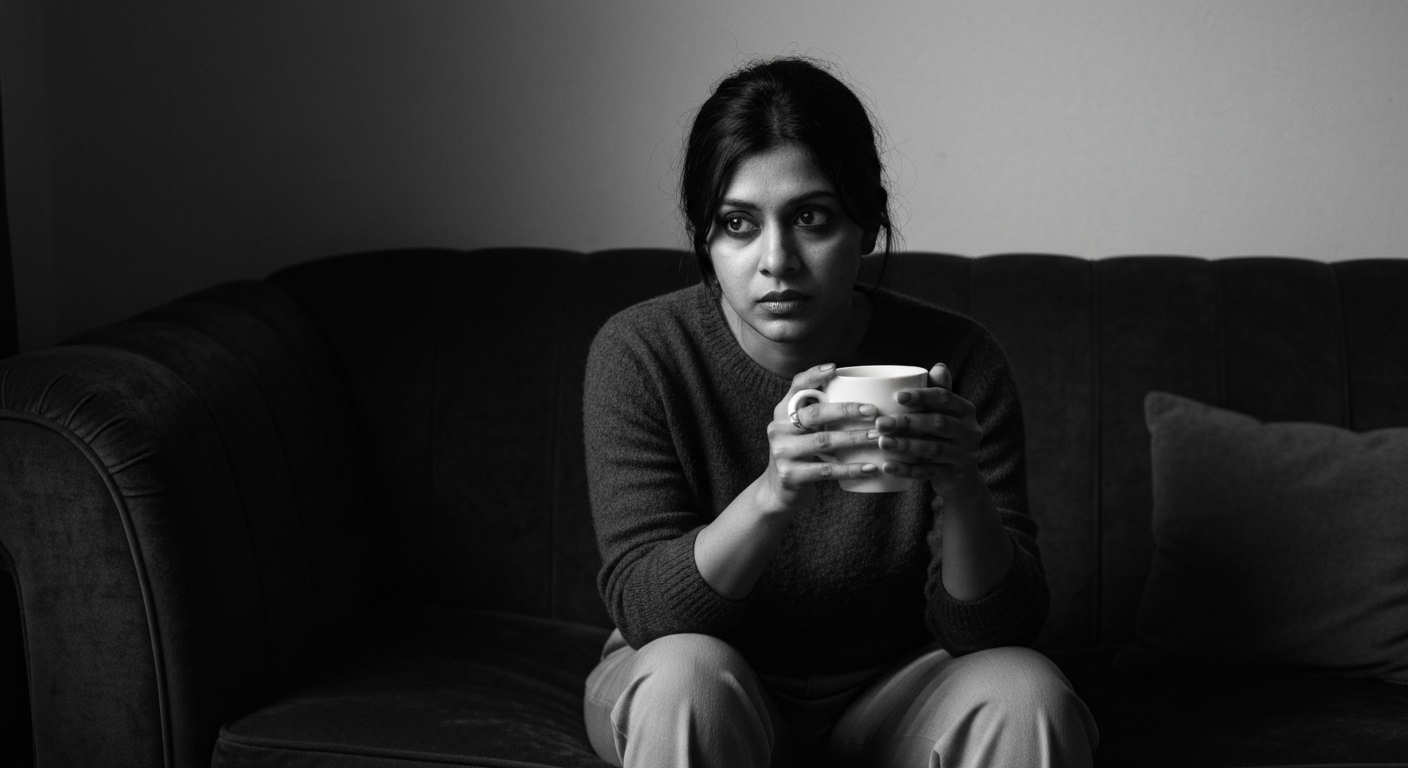
You finally get the time to rest.
The work is done. The house is quiet. You sit down on the couch and try to switch off.
But instead of feeling peaceful, your mind speeds up. Your body feels jittery. You suddenly remember three other things you should be doing.
You try to relax, but you feel an uncomfortable urge to get back up and do something. Anything.
If this sounds familiar, you are not alone. For many people, resting is actually one of the most stressful things they can do.
Rest Isn’t Always Relaxing
We are told that rest is the cure for exhaustion.
We assume that if we just stop moving, our bodies will naturally calm down and feel better. But for many people, the exact opposite happens.
Slowing down does not feel good. It feels deeply uncomfortable. It feels like a trap.
This creates a confusing cycle. You feel exhausted and desperately want to rest. But when you finally try to relax, you feel so uneasy that you end up getting busy again just to escape the discomfort.
What It Can Feel Like When Rest Is Difficult
When your system struggles to settle, rest rarely looks like peaceful stillness. It usually looks like this:
- Your mind starts racing: The moment you stop, your thoughts get louder.
- The urge to check your phone: You compulsively scroll to distract yourself from the quiet.
- Guilt for doing nothing: A heavy feeling that you are wasting time or being lazy.
- Feeling behind: A constant, vague sense that you are forgetting something important.
- Tension in your body: You might be lying down, but your shoulders are tight and your jaw is clenched.
- Physical restlessness: The need to bounce your leg, shift positions, or get back up.
- Inability to switch off: You are physically still, but mentally you are still at work or solving problems.

Why Your System May Resist Slowing Down
If you have spent months or years running on high stress, your nervous system has adapted to that pace.
It learned that staying alert, moving fast, and anticipating problems is how you survive.
When you suddenly stop, your body gets confused. Stillness feels unfamiliar. To a nervous system that is used to constant movement, dropping your guard and doing nothing can actually feel dangerous.
Your body resists slowing down because it believes you still need to be ready to protect yourself.
Why Overthinking Gets Louder When You Rest
When you are busy, the external world demands your attention. Work, chores, and conversations act as a distraction from what is happening inside you.
When you rest, that external noise disappears.
Without distractions, everything you have been pushing down all day finally has room to surface. The worries, the unprocessed emotions, and the tension all catch up to you at once.
This is why your mind races the second your head hits the pillow. It is not that you suddenly have more to worry about. It is just the first time all day you have been quiet enough to hear it.
Why Rest Can Trigger Guilt or Anxiety
For many people, their sense of worth is deeply tied to what they produce and how helpful they are to others.
If you learned early on that you are only valued when you are achieving, fixing, or working hard, resting will naturally trigger anxiety.
When you sit still, that old conditioning flares up. It tells you that you are falling behind. It tells you that you are being selfish. The guilt is a learned response designed to get you back into action so you can feel safe and useful again.

Why It Never Fully Lasts
Sometimes you do manage to force yourself to rest. You take a weekend off or go on a holiday.
But the moment you return to normal life, the stress comes flooding back instantly. The rest feels temporary, like a brief pause before the chaos resumes.
This happens because the rest was only environmental. You removed yourself from the stressful situation, but the internal pattern driving the stress remained completely unchanged.
What This Points To Underneath
If rest consistently feels hard, it is not because you are bad at relaxing.
It is a clear sign that there are deeper patterns at play. Your nervous system is holding onto old survival energy, and it has not yet learned that it is truly safe to let go.
You cannot just "try harder" to relax. Forcing a dysregulated system to sit still only creates more panic. The real work is addressing what is keeping the system on high alert in the first place.
What Real Rest Can Actually Feel Like
Real rest is not something you have to aggressively schedule or force yourself to endure.
It is a natural settling. It is the ability to sit on the couch and simply be there, without your mind pulling you into tomorrow's problems. It is feeling your body sink into the cushions without guilt.
When the deeper patterns shift, rest stops feeling like a battle. It becomes a safe, familiar place to land.
Frequently Asked Questions
Why can’t I relax even when I have time?
Your nervous system may be accustomed to high stress or constant movement. When you finally stop, your body does not immediately feel safe in stillness, causing you to feel restless or anxious instead of relaxed.
Why do I feel guilty when I rest?
Guilt often arises when your sense of worth or safety is tied to productivity. If you learned early on that you must be useful or busy to be valued, resting can feel like you are doing something wrong.
Why does my mind race when I try to relax?
When you are busy, external distractions keep your mind occupied. When you stop, that external noise fades, and your internal thoughts, worries, and unprocessed emotions finally have the space to catch up and get louder.
Can stress make it hard to rest?
Yes. Chronic stress keeps your nervous system in a state of high alert. When your body is flooded with stress hormones, it physically resists slowing down because it believes it still needs to protect you from a threat.
Why do I feel restless when doing nothing?
Restlessness is often a sign of nervous system dysregulation. Your body is holding onto excess survival energy. Sitting still can feel uncomfortable because that trapped energy has nowhere to go.
Is it normal to feel anxious while resting?
It is very common for people with dysregulated nervous systems. Relaxation-induced anxiety happens when the body associates stillness with vulnerability or a lack of control, triggering a protective anxious response.
How do I actually start relaxing again?
True relaxation happens when you address the underlying pattern keeping your system on high alert. It is not just about forcing yourself to sit still, but rather teaching your body that it is safe to let go of its defenses.

Rest isn’t just about stopping. It’s about what your system does when you do.
If this article helped you understand why rest can feel difficult or short-lived, the Break the Cycle Intensive is a next step to explore what may be keeping your system from fully settling.

About Will
Will helps people understand and clear the deeper drivers behind repeating emotional patterns so they can stop feeling stuck in the same reactions, cycles, and emotional loops.